HubSpot CRM is a powerful, free customer relationship management platform that helps businesses manage contacts, track deals, and organize sales activities without upfront costs.
With unlimited users, support for over one million contacts, and an intuitive interface, it stands out among the top CRM software 2025 for startups and small businesses.
What Is HubSpot CRM?
HubSpot CRM is a cloud-based CRM system that serves as the core of HubSpot’s broader marketing, sales, and customer service ecosystem. It allows businesses to centralize customer data, manage sales pipelines, and track every interaction across email, website forms, and conversations.
Unlike traditional CRM platforms that require long setup times and technical expertise, HubSpot CRM is designed for instant use. Businesses can sign up and start managing contacts and deals within minutes, making it an ideal choice for companies new to CRM software.
Its freemium model is one of its biggest strengths. The free plan is not a limited demo but a fully usable CRM that many businesses rely on long-term before ever upgrading.
Why HubSpot CRM Is Popular in 2025
HubSpot CRM continues to dominate the freemium CRM market because it removes financial and technical barriers to entry. Businesses can implement professional sales processes, track customer journeys, and organize pipelines without investing in expensive software or consultants.
In 2025, ease of use, remote accessibility, and fast onboarding are critical. HubSpot CRM delivers on all three, making it especially attractive for startups, solopreneurs, and growing teams that need structure without complexity.
Key Features of HubSpot CRM
Contact Management
HubSpot CRM automatically captures contact information from emails, website forms, and integrations. Each contact profile includes communication history, notes, activity logs, and company data, giving sales teams a complete view of every prospect.
Deal and Pipeline Management
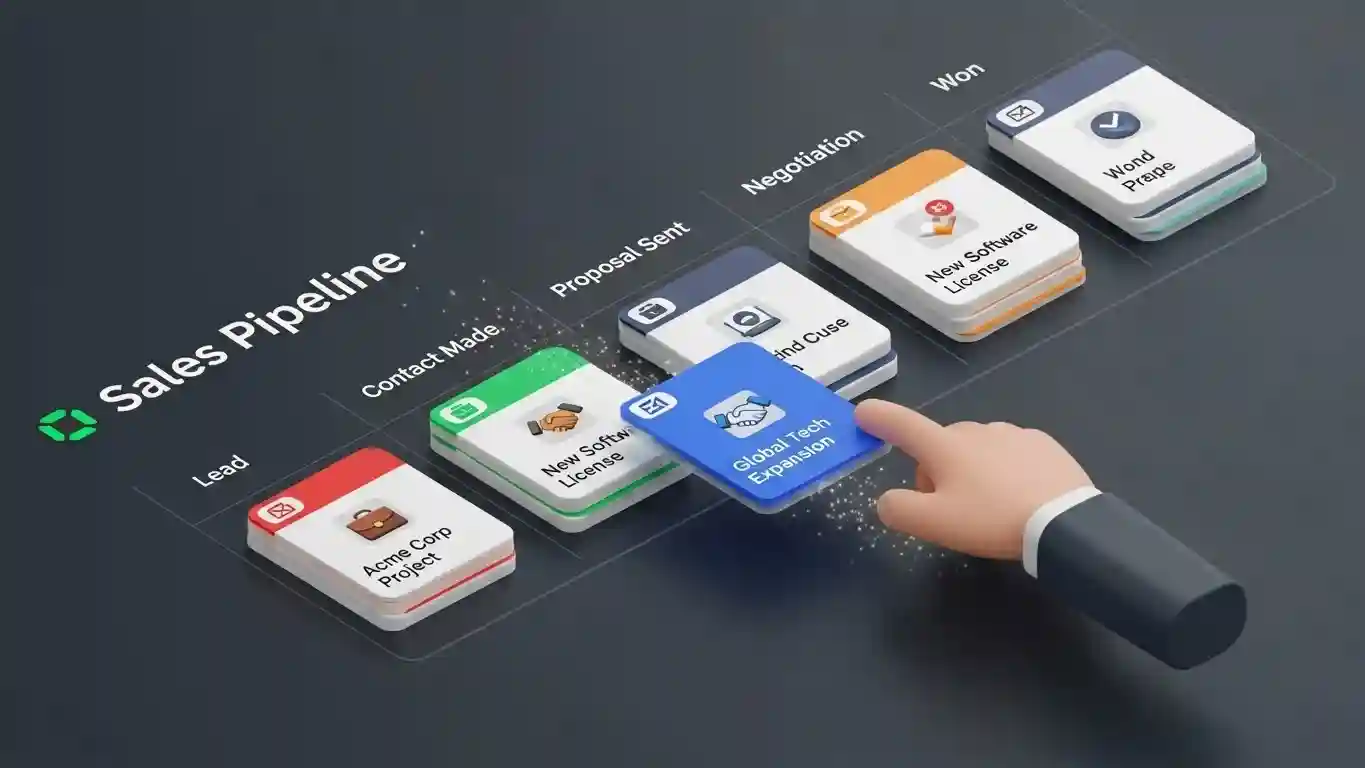
The visual sales pipeline allows teams to track deals from first contact to closure. Stages can be customized, and drag-and-drop functionality makes updating deal status quick and simple.
Email Integration and Tracking
HubSpot CRM integrates with Gmail and Outlook, automatically logging emails and showing when messages are opened or links are clicked. This insight helps sales reps follow up at the right time.
Free Live Chat and Chatbots
Businesses can add live chat to their websites to engage visitors in real time. Built-in chatbots can qualify leads, book meetings, and route conversations automatically.
Sales Automation
Basic automation features help assign leads, create tasks, and trigger follow-up actions. While advanced automation requires paid plans, the free tools are sufficient for many small teams.
Reporting and Dashboards
HubSpot CRM provides real-time dashboards and reports that show pipeline value, deal performance, and sales activity. These insights help managers make informed decisions without complex setup.
Mobile CRM
The mobile app allows users to manage contacts, update deals, and track activity from anywhere, ensuring productivity for remote and field-based teams.
Use Cases of HubSpot CRM
Startups use HubSpot CRM to build structured sales processes from day one without spending on software. It helps them capture leads, manage follow-ups, and grow customer databases efficiently.
Small businesses rely on HubSpot CRM to centralize customer information and maintain consistent communication as teams expand.
Marketing agencies benefit from HubSpot CRM’s ability to connect sales and marketing efforts, track client interactions, and manage long-term relationships.
E-commerce businesses use HubSpot CRM to track customer behavior, manage support inquiries, and personalize communication across channels.
SaaS companies leverage HubSpot CRM to manage trials, demos, and subscription sales while integrating with product and analytics tools.
Pros and Cons of HubSpot CRM
Advantages
HubSpot CRM offers one of the most generous free plans in the CRM market, with unlimited users and extensive core features. Its clean interface makes it easy to learn, and onboarding is fast. Strong integration options allow businesses to connect tools they already use.
The platform also provides a clear upgrade path, letting businesses scale functionality as they grow.
Disadvantages
Advanced features such as complex automation, custom reporting, and deeper customization require paid plans that can become expensive. Businesses with highly complex sales processes may find customization options limited compared to enterprise CRMs.
Pricing across multiple HubSpot hubs can also increase total costs as companies expand.
HubSpot CRM Pricing Overview
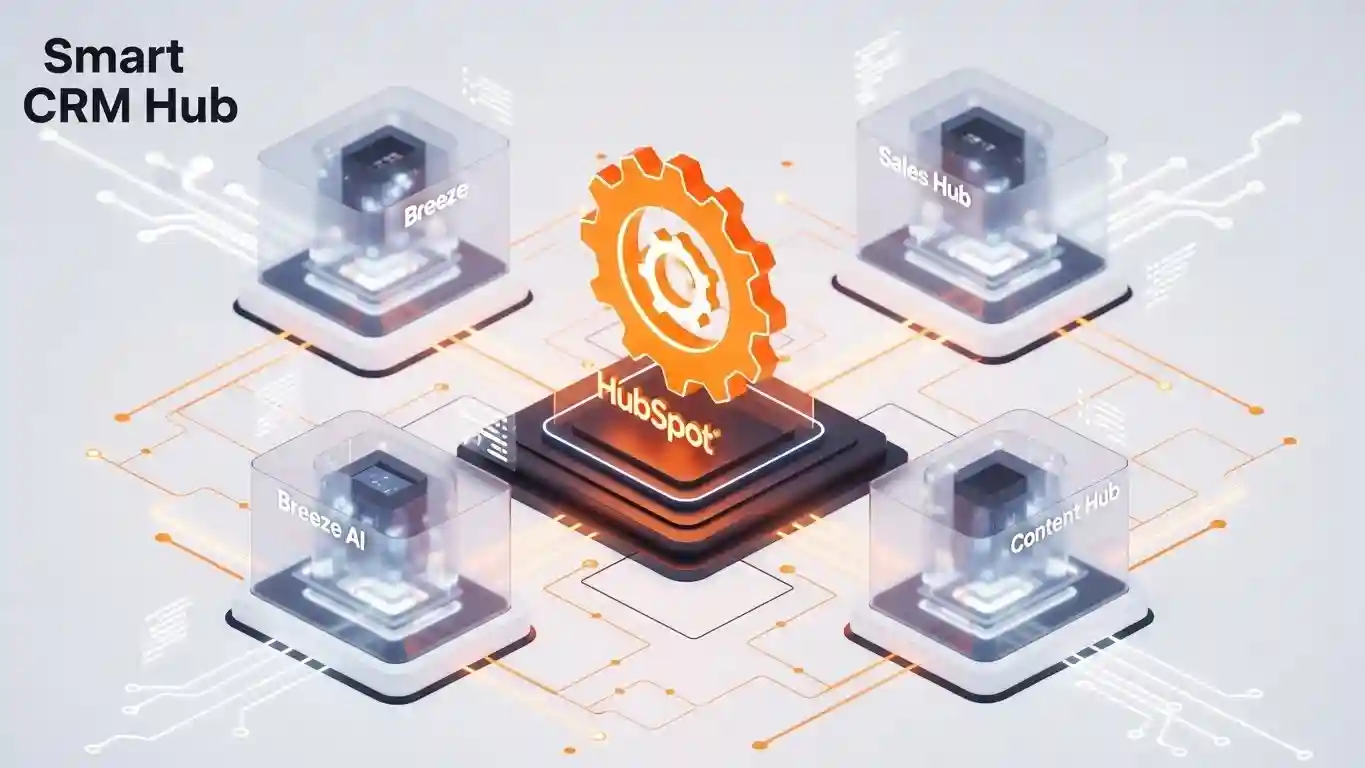
HubSpot CRM’s core features are free forever. Paid plans are available through Sales Hub, Marketing Hub, and Service Hub, offering advanced automation, analytics, and customization. While pricing increases at higher tiers, many businesses delay upgrades until absolutely necessary.
Final Verdict: Is HubSpot CRM Worth It in 2025?
HubSpot CRM is one of the best CRM platforms in 2025 for businesses seeking a free, easy-to-use, and reliable solution. It is especially well-suited for startups and small businesses that want professional CRM capabilities without financial risk.
While larger enterprises may require more advanced customization and automation, HubSpot CRM remains an excellent entry point into structured customer relationship management. Its free plan, intuitive design, and scalability make it a smart long-term choice for businesses focused on growth, efficiency, and customer relationships.